

Vervet Monkey Rescue South Africa | Primate Volunteer Program
The Vervet Monkey Rescue South Africa program gives volunteers the opportunity to support a leading vervet monkey rehabilitation centre in Limpopo. This structured placement focuses on the rescue, rehabilitation, and where possible, release of orphaned and injured primates back into protected reserves.
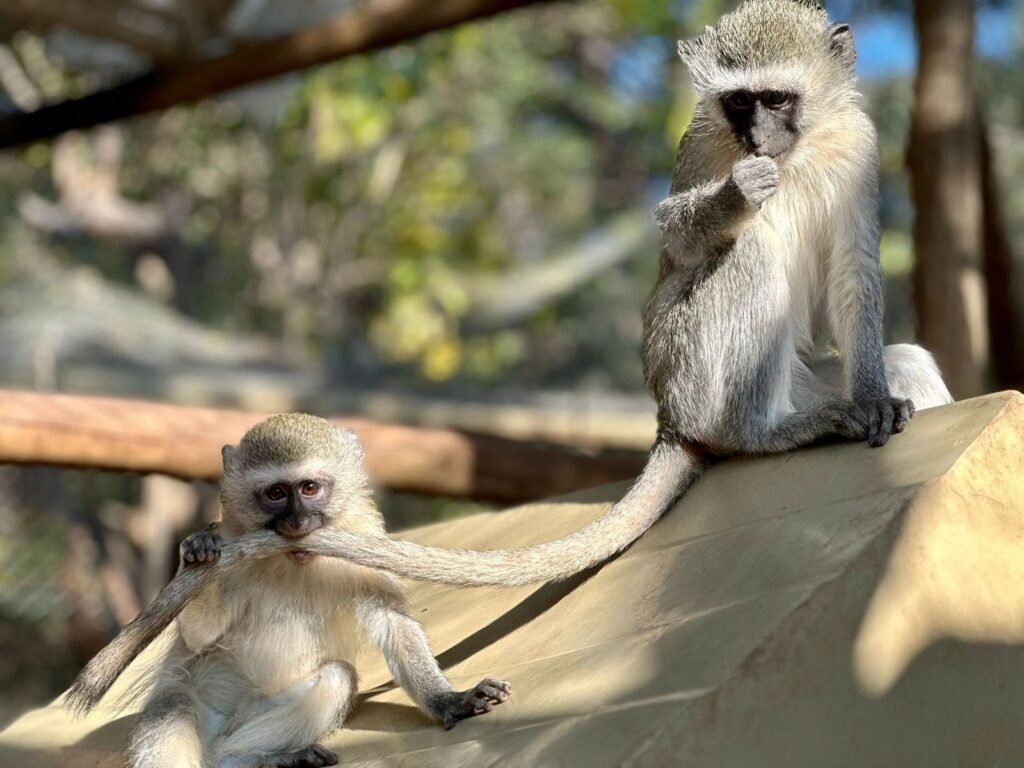
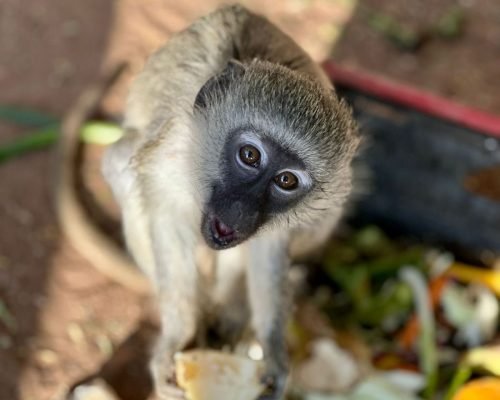
Located in South Africa’s bushveld region, the centre currently cares for more than 300 vervet monkeys and several baboons. As a result, volunteers gain hands-on experience in ethical wildlife rehabilitation within a professionally managed sanctuary environment.
Unforgettable Highlights
• Volunteer at a vervet monkey sanctuary in South Africa
• Support orphaned baby monkeys in rehabilitation
• Learn about primate behaviour and troop integration
• Contribute to ethical wildlife rescue and release
• Gain conservation experience in Limpopo
• Work alongside experienced rehabilitation staff
• Connect with international wildlife volunteers
Why Join This Vervet Monkey Rescue South Africa Project?
Vervet monkeys are an essential part of Africa’s ecosystem and have existed for over 65 million years. However, habitat loss, human conflict, and the illegal pet trade have left many individuals orphaned or injured.
This rehabilitation centre provides medical care, structured socialisation, and long-term sanctuary for monkeys that cannot immediately survive in the wild. In addition, troop integration programmes prepare suitable individuals for eventual release.
The project follows responsible wildlife rehabilitation standards aligned with principles supported by organisations such as International Union for Conservation of Nature and World Wide Fund for Nature.
Therefore, volunteers contribute to structured conservation work rather than wildlife tourism.
Your Role in the Vervet Monkey Rescue South Africa Program
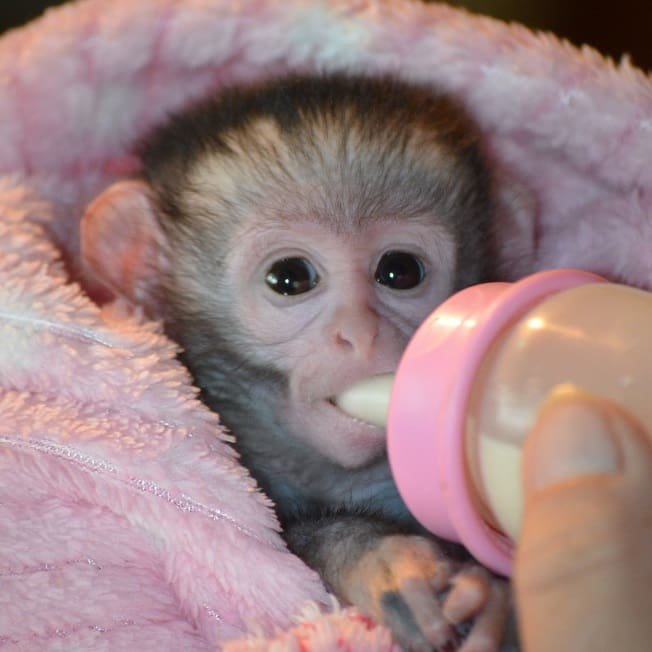
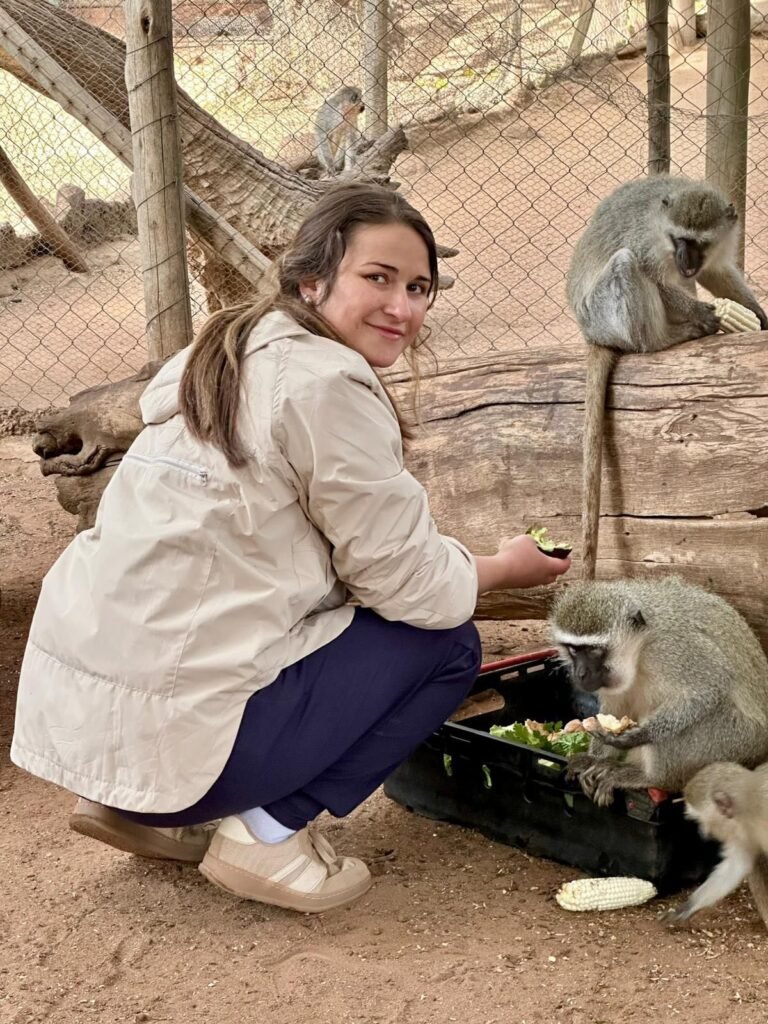
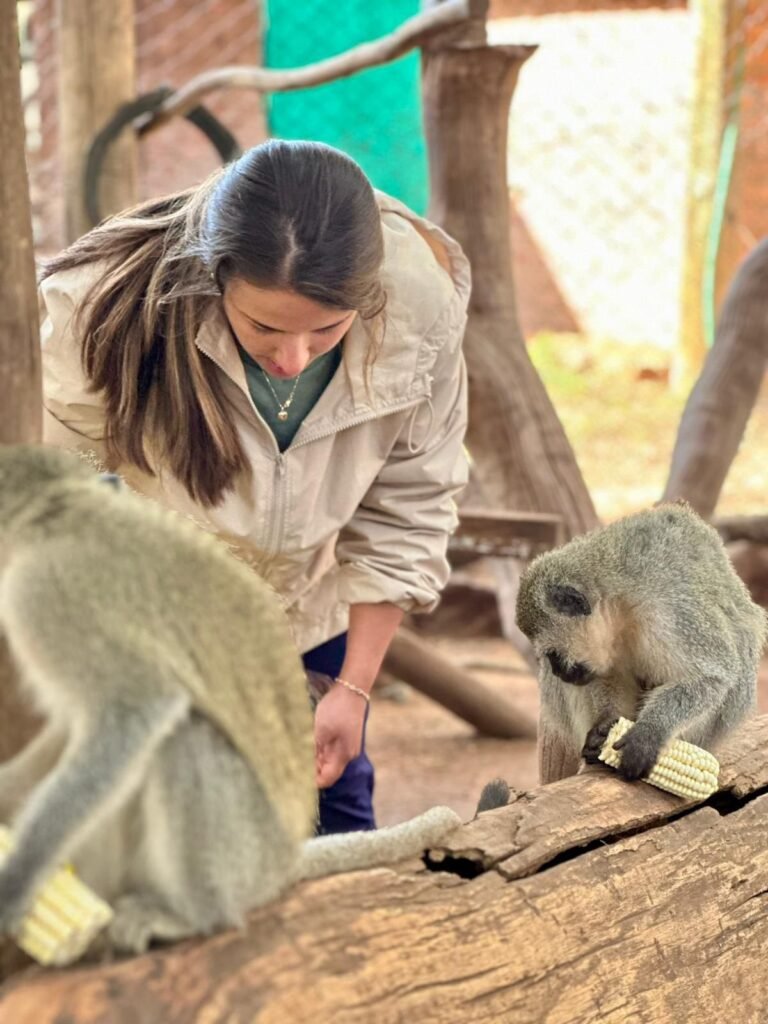
Daily work is practical and physically active. Volunteers assist with food preparation, bottle feeding orphaned infants, enclosure cleaning, enrichment activities, and general sanctuary maintenance.
Working hours typically run from 7:45am until late afternoon. However, schedules can shift depending on animal needs. The animals always come first.
Expect outdoor work, long days, scratches, dirt, and the occasional “monkey blessing.” Patience, resilience, and a calm attitude are essential.
Importantly, this is not a petting facility. Interaction is structured and supervised. The focus remains rehabilitation and, where possible, release.
Fun Outings and Activities
During time off, volunteers can explore the Limpopo region. Options include visiting nearby nature reserves, hiking trails, and wildlife areas.
Consequently, this placement combines deep bush immersion with meaningful primate rehabilitation experience.
Accommodation and Meals
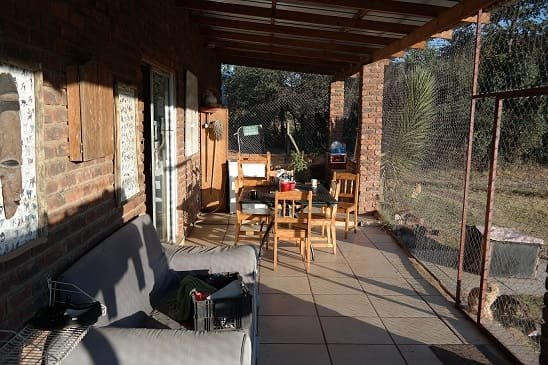
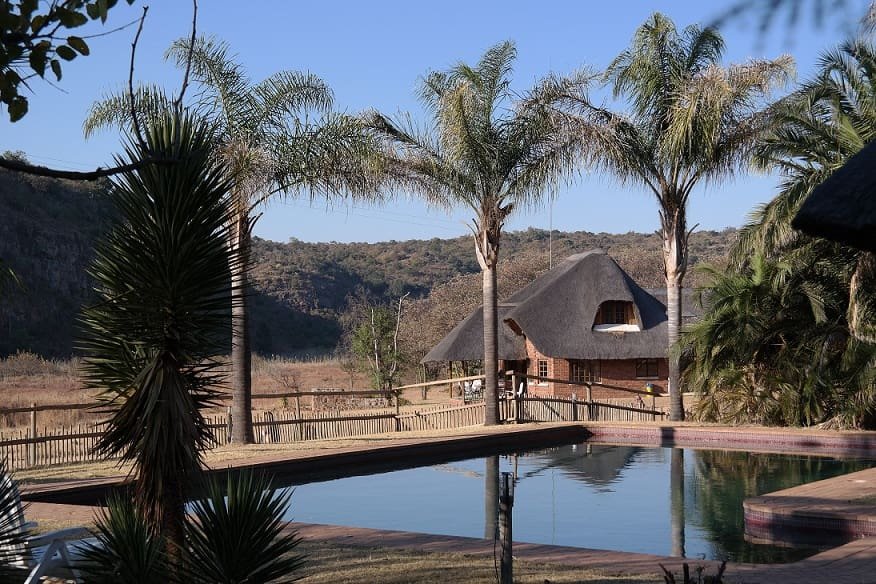
Volunteers stay in shared on-site accommodation arranged by the centre. Meals are provided daily.
In addition, experienced staff provide orientation and ongoing guidance throughout your stay. The environment suits gap year travellers, conservation students, and independent volunteers seeking immersive wildlife work.
Living on-site allows you to fully engage with the rhythm of sanctuary life while contributing directly to ethical primate rescue in South Africa.
FAQ – Vervet Monkey Rescue South Africa Program
This program suits gap year travellers, conservation students, and volunteers who want hands-on experience in wildlife rehabilitation. You do not need previous animal care experience. However, you should feel comfortable with physical work and outdoor conditions.
There is a lot of interaction and always supervised by rehabilitation staff until you are more comfortable to work independently. Volunteers assist with feeding, enrichment, and daily care tasks; however, the focus remains rehabilitation and successful troop integration rather than animal handling.
The centre operates primarily as a rehabilitation facility. Staff aim to release monkeys back into protected environments whenever possible. However, some individuals require lifelong sanctuary care due to injury or human imprinting.
Days usually begin in the morning with food preparation and feeding rounds. Volunteers then assist with cleaning enclosures, preparing enrichment activities, and supporting general sanctuary operations. Because animal needs change daily, schedules remain flexible and active throughout the day.