
Big 5 Wildlife Volunteer South Africa | Siyafunda Conservation Program
The Siyafunda Wildlife Conservation program places you inside a working wildlife reserve bordering Kruger National Park in Limpopo, South Africa. This Big 5 Wildlife Volunteer South Africa experience focuses on wildlife monitoring and ecological research within a large, open conservation landscape. Instead of visiting the bush as a tourist, you become part of a conservation team that studies wildlife behaviour and ecosystem dynamics on a daily basis.
Because the reserve forms part of a greater conservation area connected to Kruger’s ecosystem, wildlife moves naturally across the landscape. As a result, conservation work reflects real wilderness conditions rather than controlled reserve management. Volunteers assist professional rangers and researchers who collect long-term ecological data used to support responsible wildlife management.
Why Join the Siyafunda Wildlife Conservation Program
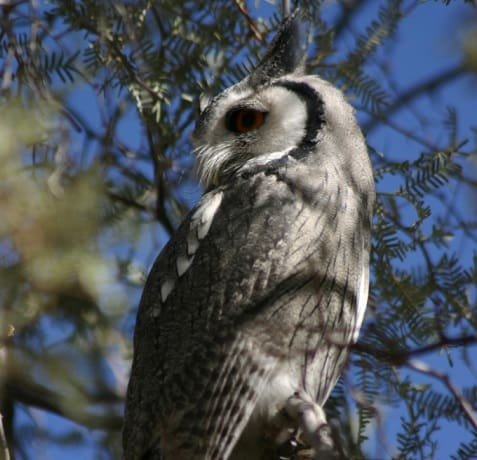
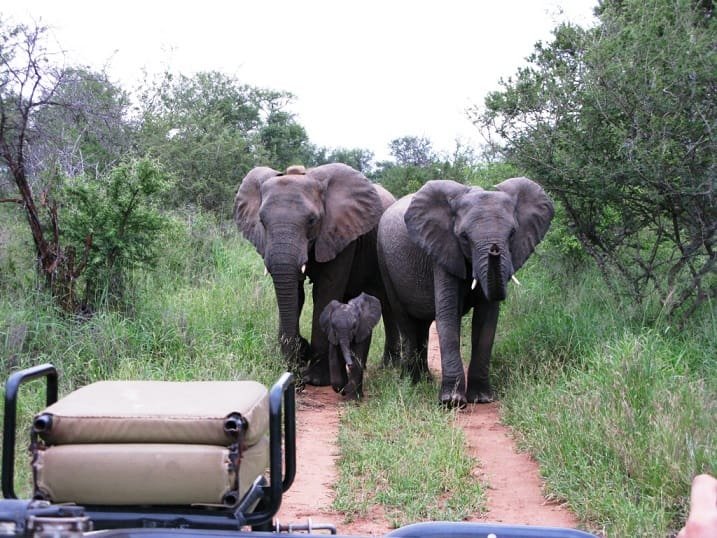
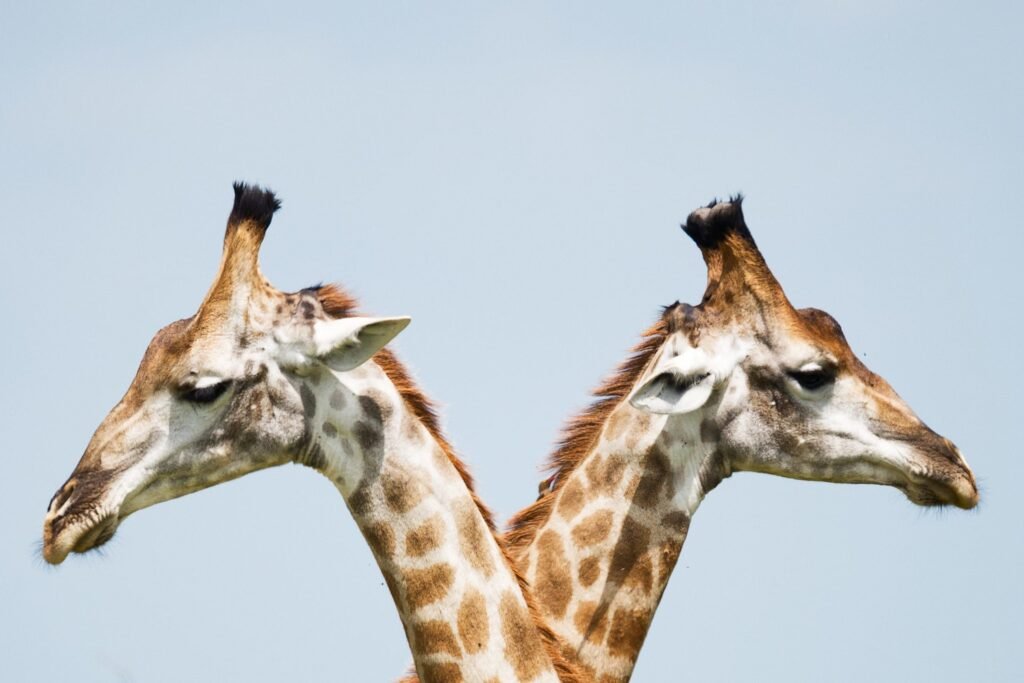
The reserve protects elephants, lions, leopards, buffalo, hyenas, and diverse antelope species, as well as abundant birdlife. Monitoring these populations helps conservation teams understand movement patterns, predator-prey relationships, and habitat health. Therefore, your participation contributes to ongoing research that supports ecological balance in one of Africa’s most important wildlife regions.
Many travellers see the Big Five during short safaris. However, the Siyafunda program allows you to experience conservation from a scientific perspective. Early morning and late afternoon drives focus on observation, tracking, and data collection rather than sightseeing. Consequently, volunteers gain insight into how conservation decisions are informed by field research.
Your Role as a Big 5 Wildlife Volunteer
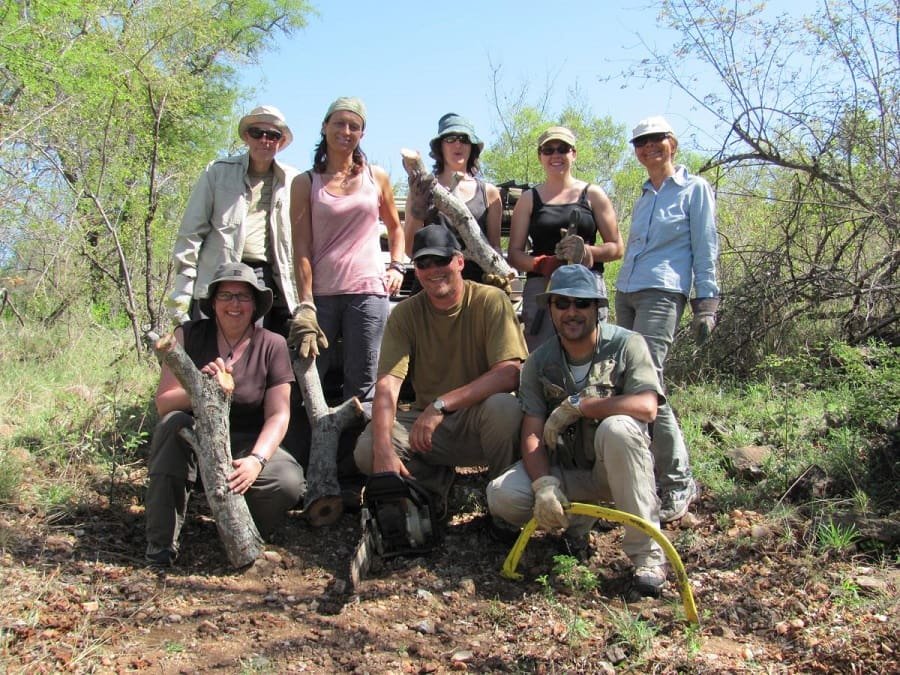
Daily activities centre on monitoring and research support. You may assist with elephant observation, lion territory tracking, leopard and hyena monitoring, buffalo breeding observation, antelope population surveys, bird and raptor counts, and environmental assessments. In addition, volunteers sometimes support habitat monitoring and community outreach initiatives connected to conservation education.
Some activities take place on foot under armed ranger supervision. These guided walks introduce tracking techniques, bush awareness, and ecological interpretation skills. Because wildlife moves freely, rangers follow strict safety protocols during all activities.
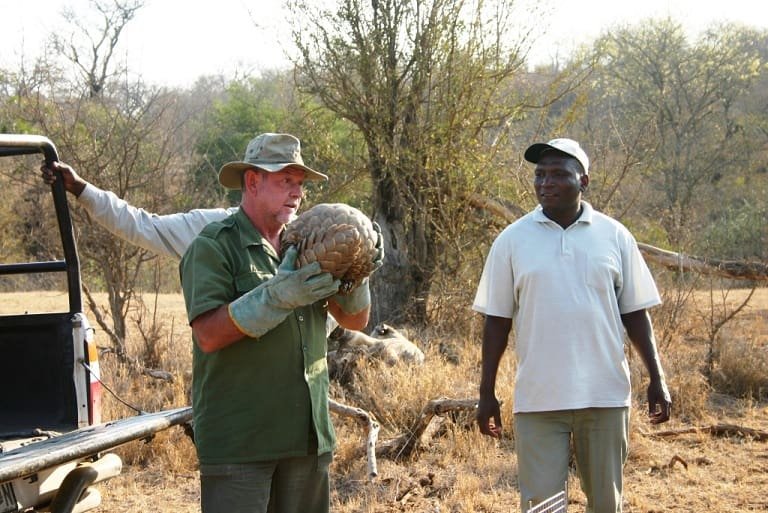
No previous conservation experience is required. However, participants should feel comfortable spending long hours outdoors and adapting to changing field conditions. Curiosity, patience, and teamwork are essential qualities for this research-focused environment. Importantly, the program does not involve wildlife handling or unethical animal interaction activities.
Life in the Greater Kruger Wilderness
Living near the reserve allows volunteers to experience the rhythm of the African bush. Early mornings begin with field drives, while evenings often include data discussions or wildlife sightings around camp. Weekends provide opportunities to explore the surrounding Limpopo region, including viewpoints near Kruger National Park, the Panorama Route, and sections of the Blyde River Canyon. As a result, the experience combines conservation learning with iconic South African landscapes.
Accommodation and Support
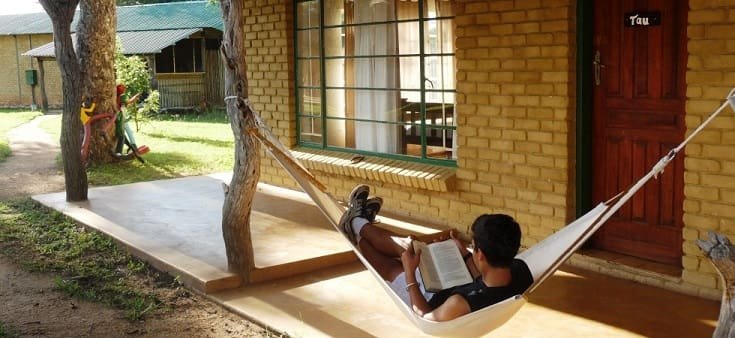
Volunteers stay in comfortable shared accommodation within the reserve. Facilities include communal social areas and access to WiFi during designated times. Meals and on-site transport are provided, and experienced rangers supervise all conservation activities. Living in the research area allows volunteers to remain immersed in the conservation environment throughout their stay.
FAQ – Siyafunda Wildlife Conservation Program
What makes Siyafunda different from other wildlife volunteer programs in South Africa?
Siyafunda focuses on wildlife monitoring and ecological research within a conservation landscape connected to the Kruger ecosystem. Volunteers support observation and data collection rather than reserve maintenance or tourism activities. As a result, the experience feels closer to field research than a traditional safari program.
Do I need conservation or research experience?
No previous experience is required. Rangers provide guidance and explain monitoring methods in the field. However, volunteers should enjoy outdoor environments and remain patient during observation-based activities.
Will I see the Big Five during the program?
Wildlife sightings occur regularly because animals move freely across the reserve. However, sightings can never be guaranteed since activities follow conservation priorities rather than tourist schedules.
Is this program suitable for gap year students or career exploration?
Yes. The program suits gap year travellers and students interested in conservation, ecology, or environmental studies. Because volunteers observe real research practices, many participants gain clearer insight into conservation careers.