
Conservation Wildlife Volunteer | Big Five Reserve – Eastern Cape, South Africa
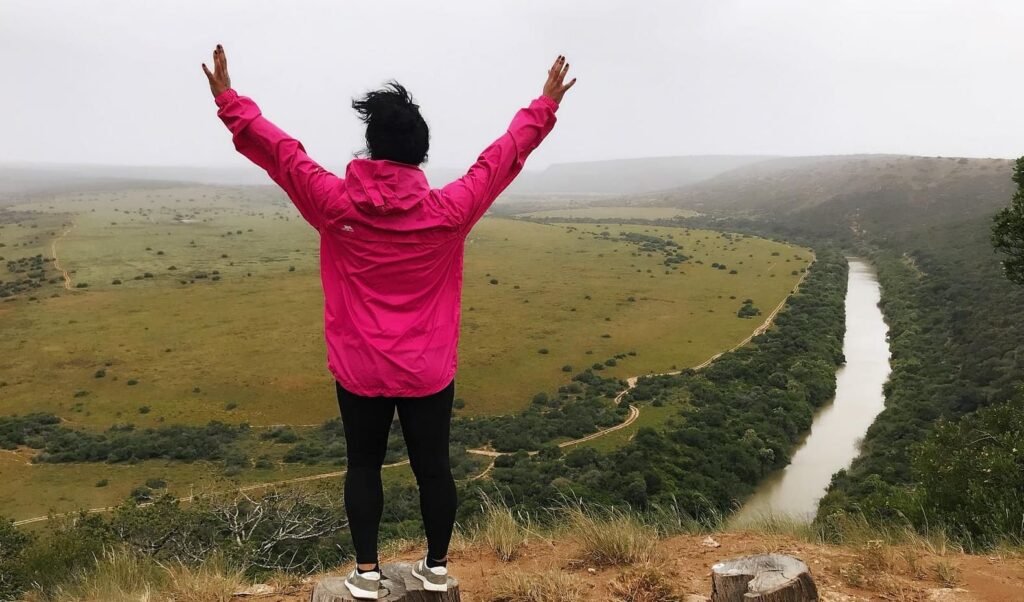
Live and work as a Conservation Wildlife Volunteer on a Big Five safari reserve in South Africa’s Eastern Cape. This hands-on conservation experience places you on a restored wildlife reserve where ecosystems are actively managed and wildlife populations are carefully protected through daily conservation operations. Unlike large wilderness reserves bordering national parks, this program focuses on practical reserve management and ecosystem stewardship. As a result, volunteers gain direct insight into how a working conservation reserve operates behind the scenes.
Wildlife and Conservation Environment
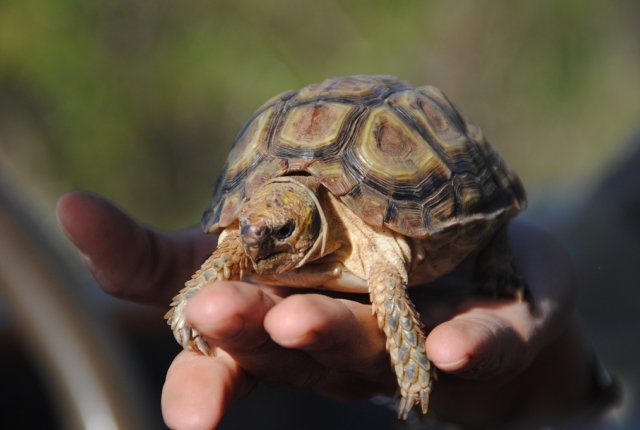
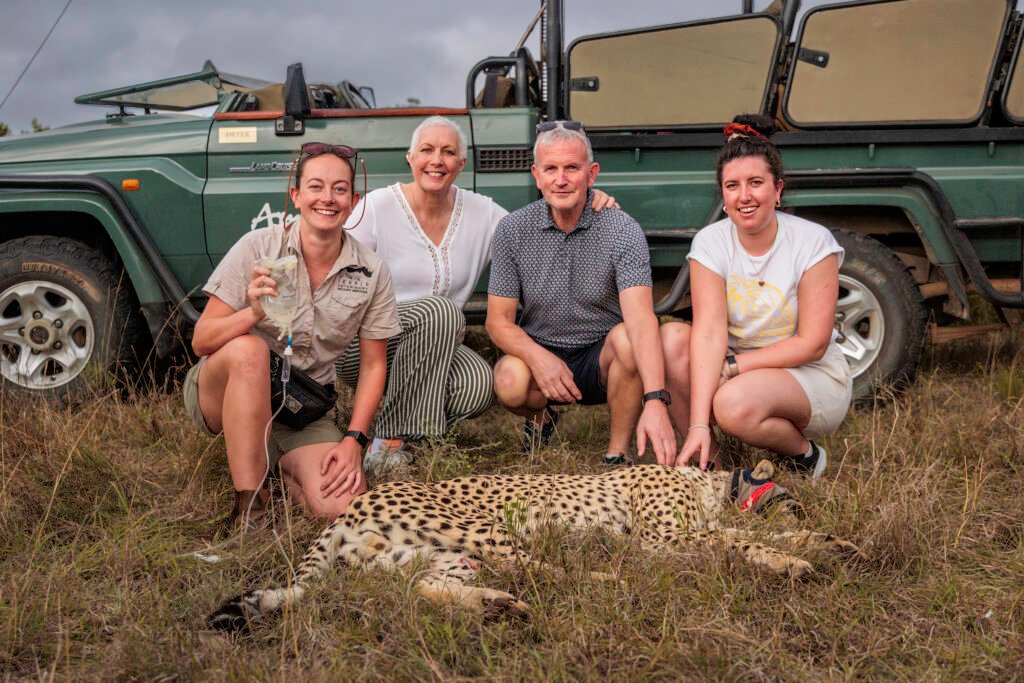
The reserve is home to the Big Five — lion, elephant, rhino, buffalo, and leopard — as well as cheetah, giraffe, zebra, black wildebeest, and numerous antelope species. Wildlife was reintroduced following extensive habitat restoration, and ongoing management ensures ecological balance across the landscape. Because conservation work takes place every day, volunteers regularly encounter wildlife while assisting rangers with field activities.
Many safari destinations prioritise tourism experiences. However, this project centres on active conservation management. Rangers continuously monitor wildlife movements, maintain infrastructure, and manage habitats to support biodiversity. Therefore, your contribution supports real conservation operations rather than passive observation.
Your Role as a Conservation Wildlife Volunteer
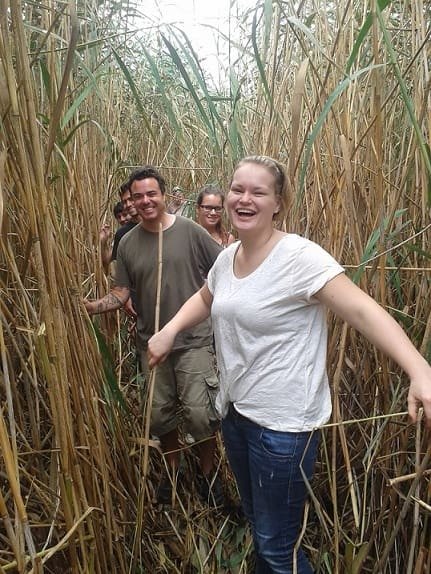
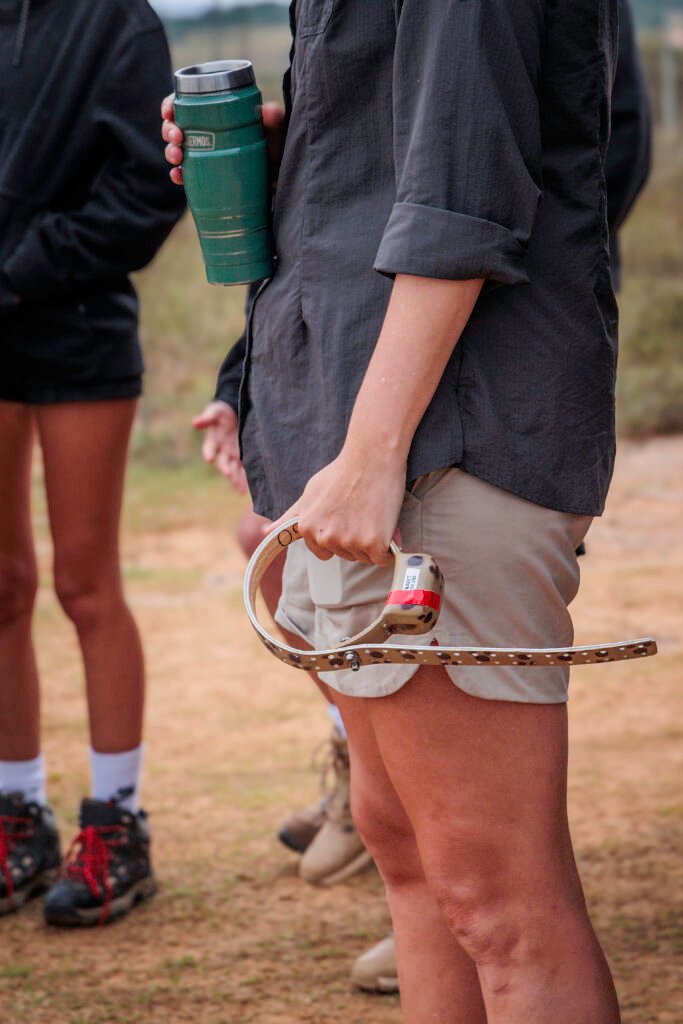
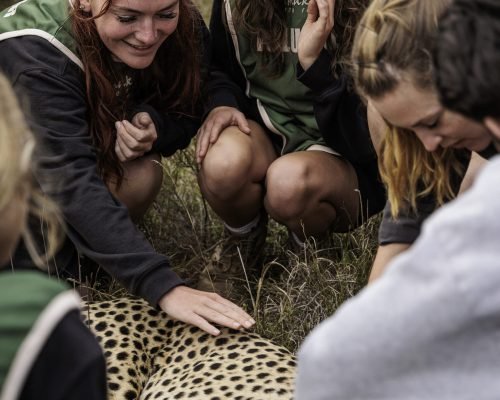
As a Conservation Wildlife Volunteer, you work alongside an experienced on-site ranger and assist with daily reserve activities. Tasks vary depending on seasonal priorities, which keeps the experience dynamic and practical. You may participate in wildlife monitoring and game counts, lion and giraffe behavioural observation, predator tracking, fence patrols, invasive plant removal, erosion control, and habitat restoration.
In addition, volunteers help maintain roads and conservation infrastructure that allow the reserve to function safely and sustainably. Because conservation requires consistency, even routine tasks play an important role in long-term ecosystem health.
All Big Five species roam freely within the reserve. Rangers follow strict safety protocols at all times, and volunteers never approach dangerous wildlife without professional supervision. Consequently, participants develop bush awareness, tracking skills, and a deeper understanding of applied conservation management.
Life on the Reserve
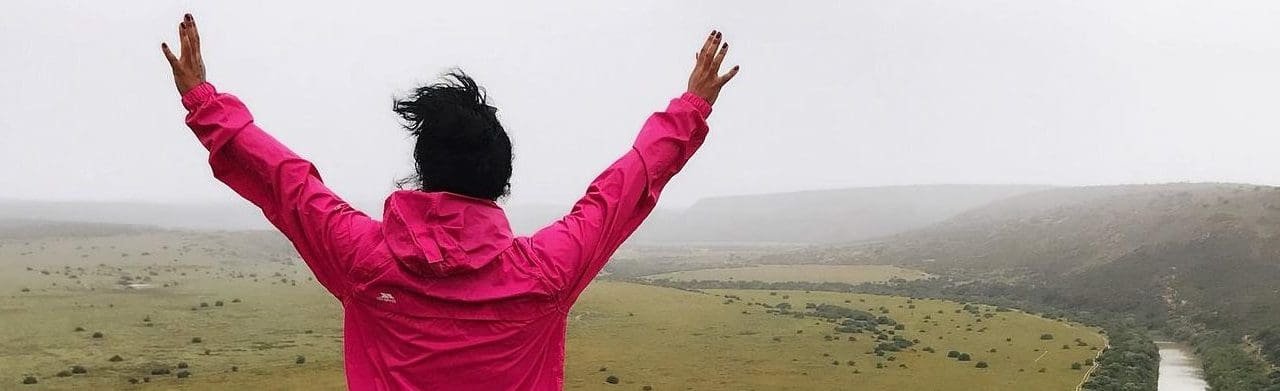
Life on the reserve offers an immersive bush experience shaped by daily conservation work. Volunteers often enjoy sunset drives, wildlife photography opportunities, and evenings under open African skies. At the same time, the Eastern Cape location allows access to Addo Elephant National Park and nearby coastal regions for extended travel before or after the program. This balance creates an experience that combines conservation learning with authentic safari living.
Accommodation and Support
Volunteers stay in shared accommodation near the reserve in a safe and social environment suited to international participants. Meals are provided daily, and the on-site ranger coordinates schedules and activities. Because you live close to the conservation area, wildlife and nature become part of everyday life rather than a short excursion. The program is suitable for motivated volunteers who enjoy outdoor environments and want practical conservation experience without requiring previous qualifications.
FAQ – Conservation Wildlife Volunteer Eastern Cape
What makes this conservation program different from larger wilderness reserves?
This program focuses on hands-on reserve management rather than large-scale wildlife research. Volunteers assist with the daily operations required to maintain a restored Big Five reserve. As a result, you gain practical insight into conservation management and habitat stewardship.
Do I need previous conservation experience?
No previous experience is required. However, volunteers should be physically active, adaptable, and comfortable working outdoors. Motivation and a willingness to learn are more important than formal qualifications.
How close do volunteers get to wildlife?
Wildlife moves freely across the reserve, and sightings often occur during monitoring activities. However, safety remains the priority. Rangers supervise all activities, and volunteers never approach dangerous animals without professional guidance.
Is this program suitable for gap year travellers?
Yes. The program suits gap year travellers and students who want structured conservation experience while living in a safari environment. Because daily activities follow a clear routine, participants quickly adapt to life on the reserve.